Saltar al contenido principal
Islamic Portal
Únete gratisÚnete
Islamic Portal
Explóralo todo
Tema
Esta página aún no está disponible en tu idioma, por eso se muestra en inglés. Leer la página en inglés

Regalos al mundo

Inventos y descubrimientos

De los molinos de papel de Bagdad al mapa del Atlántico de Piri Reis: lo que eruditos, ingenieros y médicos musulmanes crearon, descubrieron y perfeccionaron, contado con modestia, señalando los debates y mostrando las fuentes.

Inventos y descubrimientos de los musulmanes

  1. Vida cotidiana c. 794 d. C.

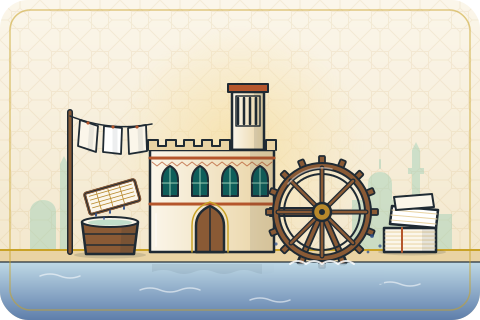
    Paper-Making in Baghdad

    Papermakers of Abbasid Baghdad صنّاع الورق في بغداد العباسية

    Baghdad, Abbasid Caliphate (present-day Iraq)

    Paper was invented in China and reached the Islamic world through Central Asia. By 794–795 Baghdad had its own paper mills, and paper soon replaced parchment for government records, books and trade.

    Fuentes: Wikipedia, "History of paper"

  2. Ciencia c. 800 d. C.

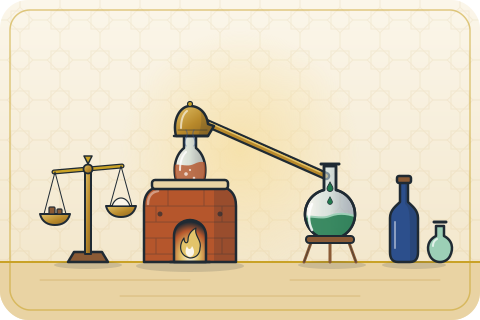
    Jabir and Arabic Alchemy

    Jabir ibn Hayyan (the Jabirian corpus) جابر بن حيان

    Kufa, Abbasid Caliphate (present-day Iraq)

    Hundreds of Arabic works on alchemy carry the name of Jabir ibn Hayyan of Kufa. Whoever wrote them, they contain the oldest known systematic classification of chemical substances.

    Fuentes: Wikipedia, "Jabir ibn Hayyan"; Wikipedia, "Alembic"

  3. Medicina c. 805 d. C.

    The Bimaristan Hospitals

    Abbasid Baghdad; later Ahmad ibn Tulun, Nur al-Din and Sultan Qalawun البيمارستان

    Baghdad, Abbasid Caliphate (present-day Iraq)

    From around 805 in Baghdad, cities of the Muslim world built bimaristans: hospitals with wards, pharmacies and teaching, often paid for by endowments and open to rich and poor alike.

    Fuentes: Wikipedia, "Bimaristan"; Wikipedia, "Nur al-Din Bimaristan"

  4. Matemáticas c. 820 d. C.

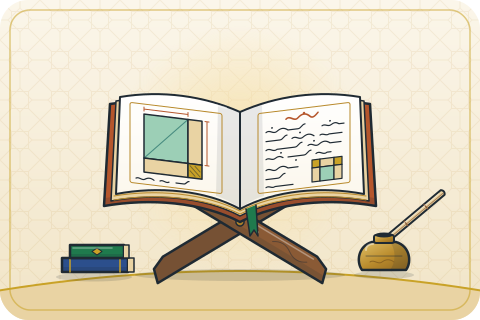
    Al-Jabr: The Book of Algebra

    Muhammad ibn Musa al-Khwarizmi محمد بن موسى الخوارزمي

    House of Wisdom, Baghdad (present-day Iraq)

    Around 820 al-Khwarizmi, a scholar at Baghdad's House of Wisdom, wrote a handbook on solving linear and quadratic equations. Its title gave us the word algebra, and his name gave us algorithm.

    Fuentes: Wikipedia, "Al-Khwarizmi"

  5. Ingeniería c. 850 d. C.

    The Book of Ingenious Devices

    The Banu Musa: Muhammad, Ahmad and al-Hasan ibn Musa ibn Shakir بنو موسى بن شاكر

    House of Wisdom, Baghdad (present-day Iraq)

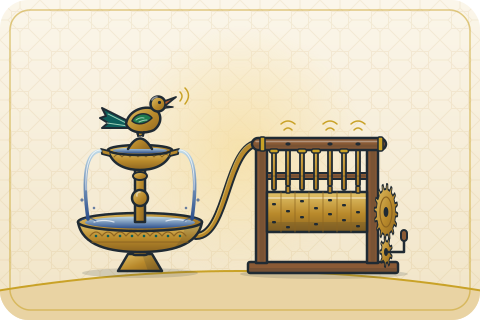
    Around 850 three brothers at Baghdad's House of Wisdom described about a hundred machines — automatic fountains, self-trimming lamps, trick vessels and a mechanical flute player — worked by water pressure and automatic valves.

    Fuentes: Wikipedia, "Banu Musa"; Wikipedia, "Book of Ingenious Devices"

  6. Matemáticas c. 850 d. C.

    Breaking Codes by Counting Letters

    Abu Yusuf Ya'qub ibn Ishaq al-Kindi أبو يوسف يعقوب بن إسحاق الكندي

    Baghdad, Abbasid Caliphate (present-day Iraq)

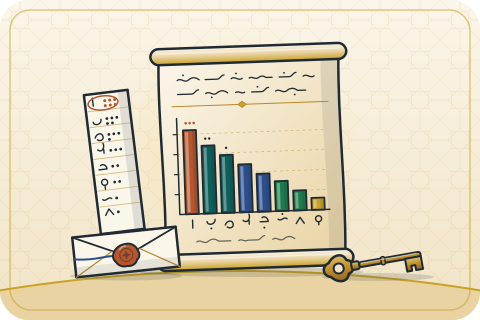
    In 9th-century Baghdad the philosopher al-Kindi wrote the oldest known description of frequency analysis: breaking a secret code by counting how often each letter appears.

    Fuentes: Wikipedia, "Al-Kindi"; Wikipedia, "Frequency analysis"

  7. Ingeniería c. 875 d. C.

    The Flight of Abbas ibn Firnas

    Abbas ibn Firnas أبو القاسم عباس بن فرناس

    Córdoba, Emirate of Córdoba (present-day Spain)

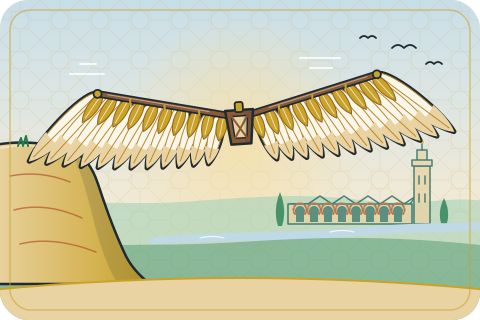
    Around 875 the Córdoba inventor Abbas ibn Firnas is said to have glided a distance on feathered wings before landing hard. The story is told by a historian writing centuries later.

    Fuentes: Wikipedia, "Abbas ibn Firnas"; Legado Andalusí, "Ibn Firnas, the longing to fly"

  8. Astronomía c. 950 d. C.

    Al-'Ijliya, Astrolabe Maker of Aleppo

    Al-'Ijliya bint al-'Ijli (known today as Mariam al-Asturlabi) العجلية بنت العجلي (مريم الأسطرلابية)

    Aleppo, Hamdanid court of Sayf al-Dawla (present-day Syria)

    In 10th-century Aleppo, a woman known as al-'Ijliya made astrolabes for the court of Sayf al-Dawla. She is one of very few women instrument makers named in medieval sources, and almost all we know comes from one short note.

    Fuentes: Wikipedia, "Al-ʻIjliyyah"; Wikipedia, "Astrolabe"

  9. Medicina c. 1000 d. C.

    Al-Zahrawi's Illustrated Surgery

    Abu al-Qasim Khalaf ibn al-Abbas al-Zahrawi (Albucasis) أبو القاسم خلف بن عباس الزهراوي

    Córdoba and Madinat al-Zahra, al-Andalus (present-day Spain)

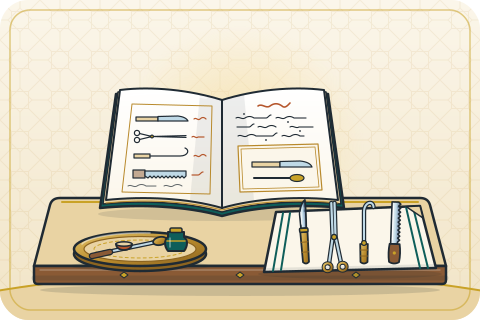
    Around 1000 the Córdoba surgeon al-Zahrawi completed a 30-volume medical encyclopedia. Its last volume, on surgery, illustrated more than 200 instruments and guided European surgeons for about 500 years.

    Fuentes: Wikipedia, "Al-Zahrawi"

  10. Ciencia c. 1011 d. C.

    The Book of Optics

    Abu Ali al-Hasan ibn al-Hasan ibn al-Haytham (Alhazen) أبو علي الحسن بن الحسن بن الهيثم

    Cairo, Fatimid Caliphate (present-day Egypt)

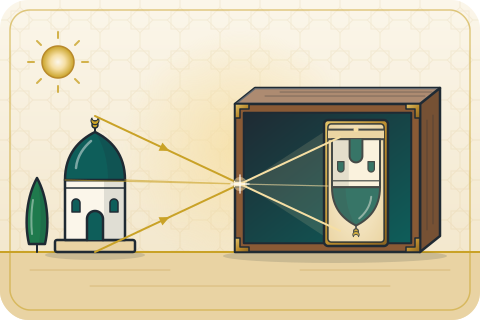
    Written between about 1011 and 1021, Ibn al-Haytham's seven-volume Book of Optics argued that we see because light enters the eye, and tested its ideas with experiments, including the camera obscura.

    Fuentes: Wikipedia, "Ibn al-Haytham"; Wikipedia, "Book of Optics"

  11. Geografía c. 1020 d. C.

    Measuring the Earth from a Hilltop

    Abu Rayhan Muhammad ibn Ahmad al-Biruni أبو الريحان محمد بن أحمد البيروني

    Nandana fort, Salt Range, Punjab (present-day Pakistan)

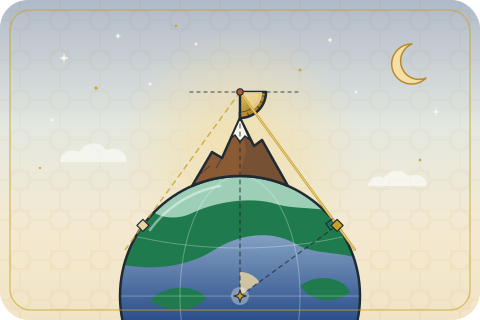
    In the early 11th century al-Biruni worked out the size of the Earth from a single hilltop at Nandana, in the Punjab, by measuring the hill's height and how far the horizon dipped below the level.

    Fuentes: Wikipedia, "Al-Biruni"; Wikipedia, "Earth's circumference"; Wikipedia, "Nandana Fort"

  12. Medicina 1025 d. C.

    The Canon of Medicine

    Abu Ali al-Husayn ibn Abd Allah ibn Sina (Avicenna) أبو علي الحسين بن عبد الله بن سينا

    Hamadan (present-day Iran)

    Ibn Sina completed his five-book Canon of Medicine in Hamadan in 1025. Translated into Latin, it was taught in European universities for centuries.

    Fuentes: Wikipedia, "The Canon of Medicine"

  13. Astronomía c. 1070 d. C.

    The Universal Astrolabe

    Abu Ishaq Ibrahim ibn Yahya al-Zarqali (Arzachel) أبو إسحاق إبراهيم بن يحيى الزرقالي

    Toledo, Taifa of Toledo (present-day Spain)

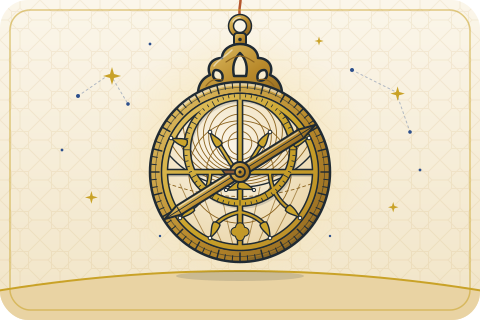
    The astrolabe came from the Greek world, but astronomers in Islamic lands refined it for centuries. In 11th-century Toledo, al-Zarqali designed the saphea, a universal astrolabe that worked at any latitude.

    Fuentes: Wikipedia, "Astrolabe"; Wikipedia, "Al-Zarqali"; MacTutor, "Al-Zarqali"; History of Science Museum, Oxford, astrolabe glossary

  14. Geografía 1154 d. C.

    The Tabula Rogeriana

    Abu Abd Allah Muhammad al-Idrisi أبو عبد الله محمد بن محمد الإدريسي

    Palermo, Norman Kingdom of Sicily (present-day Italy)

    In 1154 the geographer al-Idrisi completed a world atlas and geography in Arabic for King Roger II of Sicily. It is one of the most advanced world maps of the Middle Ages.

    Fuentes: Wikipedia, "Tabula Rogeriana"; Wikipedia, "Muhammad al-Idrisi"

  15. Ingeniería 1206 d. C.

    The Elephant Clock

    Badi' al-Zaman Abu al-'Izz ibn Isma'il ibn al-Razzaz al-Jazari بديع الزمان أبو العز بن إسماعيل بن الرزاز الجزري

    Diyarbakır, Artuqid court (present-day Turkey)

    In 1206 al-Jazari, chief engineer to the Artuqid rulers of Diyarbakır, finished a book of 50 machines. Its best-known design is a water clock shaped like an elephant that marked each half hour with moving figures and sounds.

    Fuentes: Wikipedia, "Ismail al-Jazari"; Wikipedia, "Elephant clock"

  16. Medicina c. 1242 d. C.

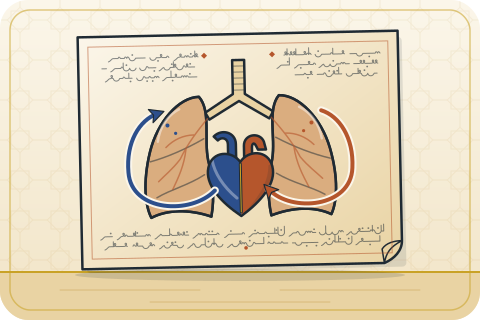
    The Pulmonary Circulation

    Ala al-Din Abu al-Hasan Ali ibn Abi al-Hazm (Ibn al-Nafis) علاء الدين أبو الحسن علي بن أبي الحزم (ابن النفيس)

    Cairo, Ayyubid Egypt (present-day Egypt)

    In a commentary written in Cairo around 1242, the physician Ibn al-Nafis described blood passing from the heart through the lungs and back, possibly the first account that matches the modern understanding of the pulmonary circulation.

    Fuentes: Wikipedia, "Ibn al-Nafis"; Wikipedia, "Pulmonary circulation"

  17. Geografía 1355 d. C.

    The Rihla of Ibn Battuta

    Abu Abd Allah Muhammad ibn Abd Allah al-Lawati al-Tanji (Ibn Battuta) أبو عبد الله محمد بن عبد الله اللواتي الطنجي (ابن بطوطة)

    Fez, Marinid Morocco

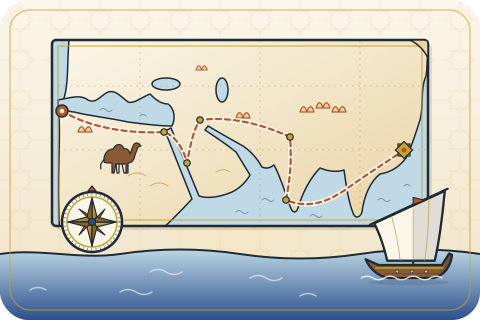
    Ibn Battuta of Tangier travelled for nearly thirty years, from 1325 to 1354, across Africa, Asia and al-Andalus. In 1355 his account, the Rihla, was written down in Fez.

    Fuentes: Wikipedia, "Ibn Battuta"; UC Berkeley ORIAS, "Writing the Rihla: 1355"

  18. Vida cotidiana c. 1450 d. C.

    Coffee and the Coffeehouse

    Sufi communities of Yemen الصوفية في اليمن

    Yemen, shipped through the port of Mocha

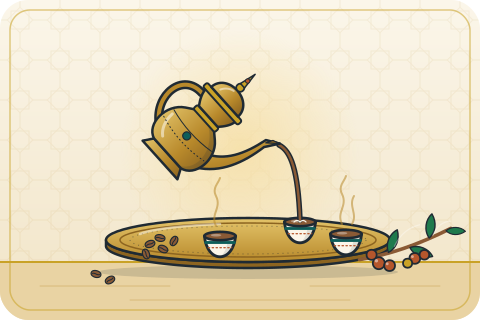
    Coffee as a drink is first reliably recorded in 15th-century Yemen, where Sufis drank it to stay alert at night. From the port of Mocha it spread to Mecca, Cairo and, by 1554, the coffeehouses of Istanbul.

    Fuentes: Wikipedia, "History of coffee"

  19. Geografía 1513 d. C.

    The Piri Reis Map

    Piri Reis (Ahmed Muhiddin Piri) بيري ريس (أحمد محيي الدين بيري)

    Gallipoli (Gelibolu), Ottoman Empire (present-day Turkey)

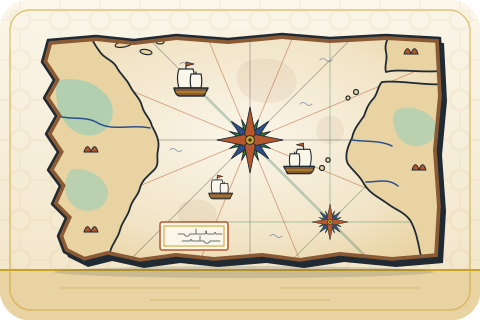
    In 1513 the Ottoman admiral Piri Reis compiled a world map on gazelle-skin parchment. The surviving third shows the Atlantic coasts of Europe, Africa and South America and preserves details from a lost map by Columbus.

    Fuentes: Wikipedia, "Piri Reis map"; Wikipedia, "Piri Reis"