
0 رکھا
منظر میں آئیں
Where did the prayer go?
You say the salam and realise you were planning dinner the whole time. Every Muslim knows this feeling. The cure has a name: khushu', a humble, present heart.
قرآن سے
The successful believers
بِسْمِ ٱللَّهِ ٱلرَّحْمَٰنِ ٱلرَّحِيمِ قَدْ أَفْلَحَ ٱلْمُؤْمِنُونَ﴿1﴾ ٱلَّذِينَ هُمْ فِى صَلَاتِهِمْ خَٰشِعُونَ﴿2﴾
1 Successful indeed are the believers
2 Who are humble in their prayers,
حدیث سے
Nearest in prostration
وعن أبي هريرة رضي الله عنه أن رسول الله صلى الله عليه وسلم قال: "أقرب ما يكون العبد من ربه وهو ساجد، فأكثروا الدعاء" ((رواه مسلم)).
Abu Hurairah (May Allah be pleased with him) reported: The Messenger of Allah (ﷺ) said, "A slave becomes nearest to his Rubb when he is in prostration. So increase supplications while prostrating."
پڑھیں
Before the takbir

Khushu' starts before the prayer. Finish the task in front of you, use the toilet, put the phone on silent and face down, and take one slow breath.
Remember who you are about to stand before. Then raise your hands.
پڑھیں
Know what you are saying

The biggest help is understanding the words. Learn the meaning of al-Fatihah, the tasbih of ruku and sujud, and the tashahhud.
When you reach the verse about worshipping Allah alone and asking Him alone for help, you will mean it, and the prayer will start to feel like a conversation.
یادداشتی کارڈ
Six habits for a present heart
پڑھیں
Eyes and stillness
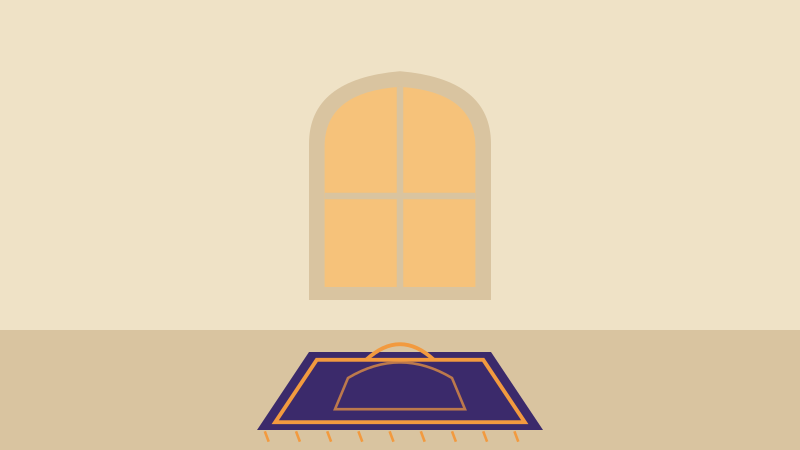
Keep your eyes on the place of sujud while standing, on your feet in ruku, on your nose in sujud, and on your lap when sitting. Keep your hands and clothes still.
Stillness of the body helps stillness of the heart. You will notice it within a week.
قرآن سے
Patience and prayer, your two supports
وَٱسْتَعِينُوا۟ بِٱلصَّبْرِ وَٱلصَّلَوٰةِ ۚ وَإِنَّهَا لَكَبِيرَةٌ إِلَّا عَلَى ٱلْخَٰشِعِينَ﴿45﴾
45 Seek help in patience and prayer; and truly it is hard save for the humble-minded,
چنیں Check your understanding
Which habit most helps khushu' during the standing?
جواب دکھائیں
Lowered eyes and understood words keep the heart in the prayer.
پڑھیں
Slow down the recitation
Recite clearly, letter by letter, pausing at the end of each verse of al-Fatihah. A slow al-Fatihah takes about forty seconds.
Hurried words slip past the heart; slow words land. If you lead others, slow recitation also helps them follow.
پڑھیں
When the mind wanders

It will. Each time you notice, return to the words, without anger at yourself. A wandering thought does not spoil the prayer, and the parts where you were present are not lost.
Over months the returns come quicker, and the wandering shorter. That is how khushu' grows.
ترتیب دیں
Helps or harms?
Place each card.
Helps khushu‘
- Phone face down and on silent
- Learning the meaning of al-Fatihah
- Eyes on the place of sujud
Harms khushu‘
- Praying while very hungry, with dinner served
- Rushing to finish before a show starts
- Looking around the room
ظاہر کریں
Common mistakes
Flip each card.
- Waiting to feel focused before praying Pray on time; focus grows inside the prayer.
- "A wandering mind cancels the prayer." It does not. Return to the words and carry on.
- Praying faster to get it done Slow down. A calm prayer is shorter than it feels.
اس پر غور کریں
One change
Which of the six habits will you try in your next prayer? Write it down and check back in a week.
یہ صرف آپ دیکھ سکتے ہیں۔ یہ اسی ڈیوائس پر محفوظ ہے۔
پڑھیں
After the salam

Do not jump up. Sit for a minute: say astaghfirullāh three times, then the dhikr after prayer, then raise your hands in dua in your own language.
The minute after the prayer is where it settles into the heart. Rushing off throws it away.
Go deeper: a simple routine
After the fard: astaghfirullah three times; subhanallah, alhamdulillah and Allahu akbar thirty-three times each; Ayat al-Kursi; then dua. The dhikr course teaches these step by step. On a busy day, even one round of astaghfirullah and one dua keeps the habit alive.
ظاہر کریں
In one line
Sum up the lesson in your own words first, then tap to check.
- The lesson in one line Khushu' is a present heart: prepare before the takbir, understand the words, keep the eyes and body still, and come back each time the mind wanders.
سبق مکمل
Khushu: a present heart
آپ نے اضافہ کیا: روشنی کی ایک کرن — طلوعِ آفتاب جو ہر سبق کے ساتھ روشن ہوتا ہے.
آپ نے کیا سیکھا
- مکمل
- 0
- پہلی بار میں درست
- 0
- دہرانے کے لیے
- 0
آپ کا عمل · آج آزمائیں
In your next prayer, make one change: pause for a breath before the takbir, and keep your eyes on the place of sujood.
جو آپ نے رکھا
سائن اِن کریں تاکہ آپ کی پیش رفت ہر ڈیوائس پر محفوظ رہے۔