
0 kept
Step inside
Too little, too much
Purity goes wrong in two directions. Some people rush and leave dry patches. Others are so worried they use buckets of water and repeat wudu five times. Both miss the Sunnah, which is careful and calm.
Read
Rushing
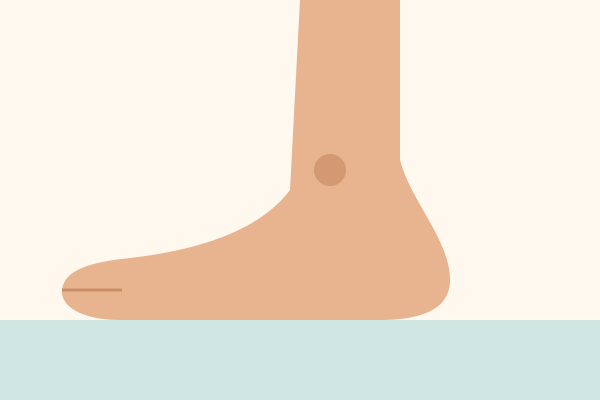
Rushed wudu leaves dry patches: the heels, the elbows, the edge of the face. A rushed ghusl leaves the mouth unrinsed. Both can make a prayer invalid without your knowing.
The fix is not more water but more attention. Slow down for the first week, saying each step to yourself, until the right way becomes the habit.
From the hadith
Even beside a river
وَعَنْ عَبْدِ اللَّهِ بْنِ عَمْرِو بْنِ الْعَاصِ أَنَّ النَّبِيَّ صَلَّى اللَّهُ عَلَيْهِ وَسَلَّمَ: مَرَّ بِسَعْدٍ وَهُوَ يَتَوَضَّأُ فَقَالَ: «مَا هَذَا السَّرَفُ يَا سَعْدُ» . قَالَ: أَفِي الْوُضُوءِ سَرَفٌ؟ قَالَ: «نَعَمْ وَإِنْ كُنْتَ عَلَى نَهْرٍ جَارٍ» . رَوَاهُ أَحْمد وَابْن مَاجَه
‘Abdallah b. ‘Amr b. al-‘As said that the Prophet came upon Sa'd when he was performing ablution and asked, “What is the meaning of this extravagance, Sa'd?” He replied, “Is there extravagance in ablution?” He said, “Yes, even if you are beside a flowing river.’’ Ahmad and Ibn Majah transmitted it.
Read
How much water?

The Prophet ﷺ made wudu with about a mudd of water, a little under a litre by most estimates, and ghusl with about a ṣāʿ, a few litres, as the hadith below tells.
With a tap running, most of us use many times that. Turn the tap down, wash each part properly, and let the rest of the water go to someone else's need.
From the hadith
A mudd and a sa'
وَعَنْ أَنَسٍ قَالَ: كَانَ النَّبِيُّ صَلَّى اللَّهُ عَلَيْهِ وَسَلَّمَ يَتَوَضَّأُ بِالْمُدِّ وَيَغْتَسِلُ بِالصَّاعِ إِلَى خَمْسَةِ أَمْدَادٍ
Anas said that the Prophet used to perform ablution with a mudd of water and wash with a sa‘ up to five mudds. (Bukhari and Muslim.)
Guess
Guess the water
About how many litres of water did the Prophet ﷺ use for wudu?
Show the answer
1 litres About a mudd: a little under a litre. Wudu does not need a running tap, only care.
Side by side
Mistakes and fixes
| The mistake | The fix | |
|---|---|---|
| Dry heels or elbows | Rushing so water skips them | Rub the heels and elbows with your hand as you wash |
| Women and the head | Wiping over the scarf | Wipe the hair itself; slip a wet hand under the scarf |
| Wasting water | Leaving the tap running full | A gentle stream, or a jug; three times is the most |
| Doubts | Repeating wudu over every 'maybe' | Certainty stands until you are sure it broke |
| Nail polish | Making wudu over it | Remove it first, or wear it only when not praying |
Read
Waswasah: when worry takes over

Some people check and re-check: did the water reach? did I pass wind? did I say bismillah? They repeat wudu again and again, and arrive late and tired to every prayer.
This is waswasah, and the cure is to follow the rule, not the feeling. Wash each part up to three times, then stop. Ignore doubts that come after you have finished.
Go deeper: the cure scholars give
Scholars advise the person troubled by waswasah to act on the outward rule, never on the whisper; to make wudu from a measured amount of water, such as a jug; to say a'udhu billah when the doubt comes; and to stop checking. Over a few weeks the whispers weaken when they are not obeyed.
What would you do?
The fourth wudu

Maryam has made wudu three times this morning. Each time she wonders if she washed her left arm properly. She is about to start a fourth.
- Start again, to be safeThis is how waswasa grows. Each repeat makes the next doubt stronger.
- Stop, trust her wudu and prayYes. Doubt after finishing an act of worship is ignored.
Read
Doubts during and after

A rule that brings peace: doubts that come after you have finished wudu or salah are ignored.
If, during wudu, you are unsure whether you washed a part, and it rarely happens to you, wash it. If it happens often, ignore the doubt and carry on. Scholars give this ease to those who are troubled by doubts, so that worship stays a joy.
Choose Check your understanding
A sister wipes over her scarf instead of her hair. What is the ruling?
Show the answer
The fard is wiping the head. A wet hand slipped under the scarf to the hair keeps her covered and her wudu correct.
Reveal
More mistakes, and the fix
Flip each card.
- Praying with nail polish on It blocks the water. Remove it before wudu.
- Wiping over a thick cap or scarf Wipe the hair itself; a cap is not a khuff.
- Leaving the mouth dry in ghusl Rinse it fully; it is fard in ghusl.
- Making wudu with juice or tea Only plain water, or water slightly changed, purifies.
Fill the gap Fill the gap
The Prophet ﷺ warned against wasting water in wudu, even beside a flowing ______.
Show the answer
Careful use of water is part of the Sunnah, whatever the supply.
Think about it
Pause: rushing or worrying?
Which way do you lean: rushing, or worrying? Write one change you will make in your next wudu.
Only you can see this. It is kept on this device.
Reveal
In one line
Sum up the lesson in your own words first, then tap to check.
- The lesson in one line Purity goes wrong in two ways: too little care and too much worry; slow down, use little water, follow the rule, and ignore doubts once you are done.
Lesson finished
Common mistakes and doubts
You added a ray of light to a sunrise that brightens lesson by lesson.
What you learnt
- done
- 0
- right first time
- 0
- to review
- 0
Your deed · Try it today
In your next wudu, use a little water and wash each part no more than three times. Then trust what you did.
What you kept
Sign in to keep your progress on every device.