
0 kept
Step inside

Yathrib, before the Hijrah
Two tribes, one oasis
Palm groves and mud houses at dusk. Two tribes live here, and for years they have been at war.
Read
Two tribes, one war
Before Islam, Yathrib was home to two Arab tribes, the Aws and the Khazraj. They had fought for generations. Their last great battle, Bu’ath, left both sides grieving.
Then some of them met the Prophet ﷺ at Makkah during the pilgrimage season, and believed.
Word by word
Hearts joined together
- وَٱعْتَصِمُوا۟ waʿtaṣimū
- بِحَبْلِ biḥabli
- ٱللَّهِ allāhi Allah, God: the proper name of the One God
- جَمِيعًۭا jamīʿan all together, all · جمع
- وَلَا walā no, not; (before a command) do not
- تَفَرَّقُوا۟ tafarraqū
- وَٱذْكُرُوا۟ wadhkurū to remember, to mention; (dhakkara) to remind · ذكر
- نِعْمَتَ niʿmata blessing, favour · نعم
- ٱللَّهِ allāhi Allah, God: the proper name of the One God
- عَلَيْكُمْ ʿalaykum on, upon, over; against; (with a duty) incumbent on
- إِذْ idh when (in the past); (and remember) when
- كُنتُمْ kuntum to be, was; (kana yaf'al) used to do · كون
- أَعْدَآءًۭ aʿdāʾan
- فَأَلَّفَ faʾallafa
- بَيْنَ bayna between, among; bayna yadayhi: before it, ahead of it · بين
- قُلُوبِكُمْ qulūbikum heart (plural qulub) · قلب
- فَأَصْبَحْتُم faʾaṣbaḥtum to become; to be in the morning · صبح
- بِنِعْمَتِهِۦٓ biniʿmatihī blessing, favour · نعم
- إِخْوَٰنًۭا ikhwānan brother (plural ikhwa, ikhwan) · أخو
- وَكُنتُمْ wakuntum to be, was; (kana yaf'al) used to do · كون
- عَلَىٰ ʿalā on, upon, over; against; (with a duty) incumbent on
- شَفَا shafā
- حُفْرَةٍۢ ḥufratin
- مِّنَ mina from, of, out of, some of
- ٱلنَّارِ an-nāri fire; the Fire (Hell) · نور
- فَأَنقَذَكُم faʾanqadhakum
- مِّنْهَا minhā from, of, out of, some of
- كَذَٰلِكَ kadhālika that (pointing to something further away)
- يُبَيِّنُ yubayyinu to make clear, to explain · بين
- ٱللَّهُ allāhu Allah, God: the proper name of the One God
- لَكُمْ lakum for, to, belonging to (a one-letter word joined to the next)
- ءَايَٰتِهِۦ āyātihī sign, proof; a verse of the Quran · أيي
- لَعَلَّكُمْ laʿallakum so that perhaps, that you may
- تَهْتَدُونَ tahtadūna to guide, to show the way · هدي
And hold fast, all of you together, to the cable of Allah, and do not separate. And remember Allah's favour unto you: How ye were enemies and He made friendship between your hearts so that ye became as brothers by His grace; and (how) ye were upon the brink of an abyss of fire, and He did save you from it. Thus Allah maketh clear His revelations unto you, that haply ye may be guided,
Look
Helpers
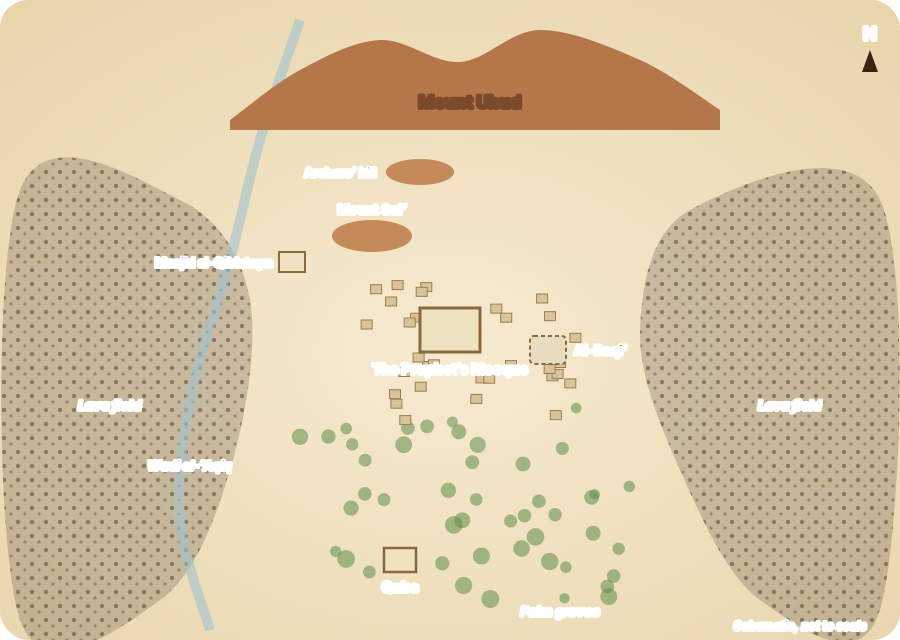
They pledged to protect the Prophet ﷺ, and he emigrated to them. Allah called them the Ansar, the helpers. Old enemies became brothers.
Each Ansari was paired with an emigrant from Makkah, sharing homes, work and food.
Read
A city that was ready

Yathrib was worn out. The battle of Bu’ath had killed many leaders of both tribes, and people longed for someone who could unite them. Their Jewish neighbours had also spoken of a prophet still to come.
’A’ishah later said, as al-Bukhari reports, that Allah had prepared that day for His Messenger ﷺ.
Go deeper: the new name
After the Hijrah, Yathrib became known as the City of the Prophet ﷺ, soon simply al-Madinah. Muslim reports that he also called it Tabah, "the good".
Word by word
They preferred others
- وَٱلَّذِينَ walladhīna those who (masculine plural)
- تَبَوَّءُو tabawwaʾū
- ٱلدَّارَ ad-dāra home, abode · دور
- وَٱلْإِيمَٰنَ walʾīmāna faith, belief · أمن
- مِن min from, of, out of, some of
- قَبْلِهِمْ qablihim before · قبل
- يُحِبُّونَ yuḥibbūna to love, to like · حبب
- مَنْ man who, whoever, the one who
- هَاجَرَ hājara
- إِلَيْهِمْ ilayhim to, towards, until
- وَلَا walā no, not; (before a command) do not
- يَجِدُونَ yajidūna to find · وجد
- فِى fī in, inside; about, concerning
- صُدُورِهِمْ ṣudūrihim chest, breast; heart (plural sudur) · صدر
- حَاجَةًۭ ḥājatan
- مِّمَّآ mimmā from, of, out of, some of
- أُوتُوا۟ ūtū to give · أتي
- وَيُؤْثِرُونَ wayuʾthirūna
- عَلَىٰٓ ʿalā on, upon, over; against; (with a duty) incumbent on
- أَنفُسِهِمْ anfusihim soul, self, person; (anfusahum) themselves · نفس
- وَلَوْ walaw if (only), even if (for what did not or will not happen)
- كَانَ kāna to be, was; (kana yaf'al) used to do · كون
- بِهِمْ bihim they, them (as a word of its own or joined to the end of a word)
- خَصَاصَةٌۭ khaṣāṣatun
- وَمَن waman who, whoever, the one who
- يُوقَ yūqa
- شُحَّ shuḥḥa
- نَفْسِهِۦ nafsihī soul, self, person; (anfusahum) themselves · نفس
- فَأُو۟لَٰٓئِكَ faʾulāʾika those
- هُمُ humu they, them (as a word of its own or joined to the end of a word)
- ٱلْمُفْلِحُونَ al-mufliḥūna
Those who entered the city and the faith before them love those who flee unto them for refuge, and find in their breasts no need for that which hath been given them, but prefer (the fugitives) above themselves though poverty become their lot. And whoso is saved from his own avarice - such are they who are successful.
From the hadith
Three hungry men and an Ansari host
وعن أبي هريرة رضي الله عنه قال: خرج رسول الله صلى الله عليه وسلم ذات يوم أو ليلة، فإذا هو بأبي بكر وعمر رضي الله عنهما، فقال: " ما أخرجكما من بيوتكما هذه الساعة؟” قالا: الجوع يا رسول الله. قال: " وأنا، والذي نفسي بيده، لأخرجني الذي أخرجكما. قوما" فقاما معه، فأتى رجلا من الأنصار، فإذا هو ليس في بيته، فلما رأته المرأة قالت: مرحباً وأهلا، فقال لها رسول الله صلى الله عليه وسلم "أين فلان؟" قالت ذهب يستعذب لنا الماء، إذ جاء الأنصاري، فنظر إلى رسول الله صلى الله عليه وسلم وصاحبيه، ثم قال: الحمد الله، ما أحد اليوم أكرم أضيافاً مني. فانطلق فجاءهم بعذق فيه بسر وتمر ورطب، فقال: كلوا وأخذ المدية فقال رسول الله صلى الله عليه وسلم " إياك والحلوب" فذبح لهم فأكلوا من الشاة ومن ذلك العذق وشربوا فلما أن شبعوا ورووا قال رسول الله صلى الله عليه وسلم لأبي بكر وعمر رضي الله عنهما: " والذي نفسي بيده، لتسألن عن هذا النعيم يوم القيامة، أخرجكم من بيوتكم الجوع، ثم لم ترجعوا حتى أصابكم هذا النعيم" ((رواه مسلم)). ((قولها: يستعذب أي: يطلب الماء العذب، وهو الطيب. و العذق بكسر العين وإسكان الذال المعجمة: وهو الكباسة، وهي الغضن. و المدية بضم الميم وكسرها: هي السكين. و الحلوب ذات اللبن. والسؤال عن الأنصاري الذي أتوه هو أبو الهيثم بن التيهان رضي الله عنه، كذا جاء مبيناً في رواية الترمذي وغيره)).
Abu Hurairah (May Allah be pleased with him) reported: Messenger of Allah (ﷺ) went out (of his house) one day, or one night, and there he met Abu Bakr and 'Umar (May Allah be pleased with them) also. He (ﷺ) said, "What made you leave your houses at this hour?" They said, "It is hunger, O Messenger of Allah." He said, "By Him in Whose Hands my soul is, what made you leave, made me also leave, so come along!" And he went along with them to a man from the Ansar, but they did not find him in his house. When the wife of that man saw the Prophet, she said, "You are most welcome." Messenger of Allah (ﷺ) said to her, "Where is so-and-so?" She said, "He went to fetch some fresh water for us." In the meantime, the Ansari came back, saw Messenger of Allah (ﷺ) and his two companions and said: "Praise be to Allah, today no one has more honourable guests than I." He then went out and brought them a bunch of date fruit, having dates, some still green, some ripe, and some fully ripe, and requested them to eat from it. He then took his knife (to slaughter a sheep). Messenger of Allah (ﷺ) said to him, "Do not kill a milch sheep." So he slaughtered a sheep for them. After they had eaten and drunk to their fill, Messenger of Allah (ﷺ) said to Abu Bakr and 'Umar (May Allah be pleased with them), "By Him in Whose Hand my soul is, you will certainly be questioned about this treat on the Day of Resurrection. Hunger brought you out of your homes, and you do not return to your homes till you have been blessed with this treat."
Read
Sharing, not taking over

Al-Bukhari reports that the Ansar offered to divide their palm groves with the emigrants. The Prophet ﷺ chose another way: the emigrants would work the groves with them and share the harvest.
The Ansar gave generously, and the emigrants kept their dignity by working.
Reveal
Common mistakes: myth or fact?
Decide, then flip each card.
- The Ansar were emigrants from Makkah. Myth. They were the people of Madinah, the Aws and the Khazraj, who took the emigrants in.
- The Aws and Khazraj fought a great battle, Bu’ath, only a few years before the Hijrah. Fact. Bu'ath was fought only a few years before the Hijrah, and soon after Islam made the old enemies brothers.
- Ansar means “helpers”. Fact. They helped Allah’s Messenger ﷺ and the emigrants.
Match
Words to know
Match each one with its pair.
- Ansar The helpers: the Muslims of Madinah
- Muhajirun The emigrants from Makkah
- Aws and Khazraj The two tribes of the Ansar
- Al-’Aqabah Where they pledged near Mina
Show the answer
The Ansar were the Muslims of Madinah, the Muhajirun the emigrants from Makkah, the Aws and Khazraj the two tribes of the Ansar, and al-'Aqabah where they pledged. The Quran praises both groups together.
Choose Check
What did Allah do for the Aws and the Khazraj?
Show the answer
Joined their hearts as brothers. 3:103 reminds them that Islam turned old enemies into one family.
Read
For your life
Allah joined two tribes after generations of feuding. Many families and communities still carry old grudges, passed from parents to children.
Be the one who stops passing it on: greet first, visit first, forgive first, and do not teach your children your old quarrels.
Think about it
A heart moment
Is there an old family or community feud you have inherited? What would it take for you to be the one who ends it?
Only you can see this. It is kept on this device.
Read
The lesson in three lines
The Ansar were the Aws and the Khazraj, two tribes of Yathrib worn out by war. They pledged to protect the Prophet ﷺ, and Allah joined their hearts. They shared their homes and groves with the emigrants as brothers.
Lesson finished
Who were the Ansar?
You added a star to a constellation that lights up, one star per person.
What you learnt
- The Ansar were two warring tribes whose hearts Allah joined in faith.
- done
- 0
- right first time
- 0
- to review
- 0
Your deed · Try it today
Make peace today with someone you have been distant from.
What you kept
Sign in to keep your progress on every device.