
0 gardé
Entre dans la scène

Madinah, Dhul Qa’dah 6 AH
A dream of the Ka’bah
An acacia on a wide plain, and a rolled treaty in the sand. It begins with a dream of entering Makkah in peace.
Regarder
A dream of the Ka’bah

Six years after the Hijrah, the Prophet ﷺ saw in a dream that he and his companions entered the Sacred Mosque safely, heads shaved. In Dhul Qa’dah 6 AH (628) he set out for ’umrah with about 1,400 companions, unarmed but for travellers’ swords.
They put on ihram at Dhul Hulayfah and drove sacrificial camels ahead of them, so that everyone could see they came as pilgrims, not as an army.
Regarder
Watch: from al-Hudaybiyah to the Opening
L'itinéraire
The road towards Makkah

- Madinah About 1,400 companions set out in Dhul Qa’dah 6 AH.
- Dhul Hulayfah Ihram for ’umrah; the sacrificial camels are garlanded.
- ’Usfan News comes that Quraysh have marched out to block them.
- al-Hudaybiyah His camel kneels on the edge of the sacred land, and they camp.
They avoided the Makkan horsemen by a rough mountain route.
Du hadith
The camel that knelt
عَنِ الْمِسْوَرِ بْنِ مَخْرَمَةَ وَمَرْوَانَ بْنِ الْحَكَمِ قَالَا: خَرَجَ النَّبِيُّ صَلَّى اللَّهُ عَلَيْهِ وَسَلَّمَ عَامَ الْحُدَيْبِيَةِ فِي بِضْعَ عَشْرَةَ مِائَةً مِنْ أَصْحَابِهِ فَلَمَّا أَتَى ذَا الْحُلَيْفَةِ قَلَّدَ الْهَدْيَ وَأَشْعَرَ وَأَحْرَمَ مِنْهَا بِعُمْرَةٍ وَسَارَ حَتَّى إِذَا كَانَ بِالثَّنِيَّةِ الَّتِي يُهْبَطُ عَلَيْهِمْ مِنْهَا بَرَكَتْ بِهِ رَاحِلَتُهُ فَقَالَ النَّاسُ: حَلْ حَلْ خَلَأَتِ القَصْواءُ خلأت الْقَصْوَاء فَقَالَ النَّبِيُّ صَلَّى اللَّهُ عَلَيْهِ وَسَلَّمَ: «مَا خَلَأَتِ الْقَصْوَاءُ وَمَا ذَاكَ لَهَا بِخُلُقٍ وَلَكِنْ حَبَسَهَا حَابِسُ الْفِيلِ» ثُمَّ قَالَ: «وَالَّذِي نَفْسِي بِيَدِهِ لَا يَسْأَلُونِي خُطَّةً يُعَظِّمُونَ فِيهَا حُرُمَاتِ اللَّهِ إِلَّا أَعْطَيْتُهُمْ إِيَّاهَا» ثُمَّ زَجَرَهَا فَوَثَبَتْ فَعَدَلَ عَنْهُمْ حَتَّى نَزَلَ بِأَقْصَى الْحُدَيْبِيَةِ عَلَى ثَمَدٍ قَلِيلِ الْمَاءِ يَتَبَرَّضُهُ النَّاسُ تَبَرُّضًا فَلَمْ يَلْبَثْهُ النَّاسُ حَتَّى نَزَحُوهُ وَشُكِيَ إِلَى رَسُولِ اللَّهِ صَلَّى اللَّهُ عَلَيْهِ وَسَلَّمَ الْعَطَشَ فَانْتَزَعَ سَهْمًا مِنْ كِنَانَتِهِ ثُمَّ أَمَرَهُمْ أَنْ يَجْعَلُوهُ فِيهِ فو الله مَا زَالَ يَجِيشُ لَهُمْ بِالرِّيِّ حَتَّى صَدَرُوا عَنْهُ فَبَيْنَا هُمْ كَذَلِكَ إِذْ جَاءَ بُدَيْلُ بْنُ وَرْقَاءَ الخزاعيُّ فِي نفَرٍ منْ خُزَاعَةَ ثُمَّ أَتَاهُ عُرْوَةُ بْنُ مَسْعُودٍ وَسَاقَ الْحَدِيثَ إِلَى أَنْ قَالَ: إِذْ جَاءَ سُهَيْلُ بْنُ عَمْرٍو فَقَالَ النَّبِيُّ صَلَّى اللَّهُ عَلَيْهِ وَسَلَّمَ: " اكْتُبْ: هَذَا مَا قَاضَى عَلَيْهِ مُحَمَّدٌ رَسُولُ اللَّهِ ". فَقَالَ سُهَيْلٌ: وَاللَّهِ لَوْ كُنَّا نَعْلَمُ أَنَّكَ رَسُولُ اللَّهِ مَا صَدَدْنَاكَ عَنِ الْبَيْتِ وَلَا قَاتَلْنَاكَ وَلَكِنِ اكْتُبْ: مُحَمَّدَ بْنَ عَبْدِ اللَّهِ فَقَالَ النَّبِيُّ صَلَّى اللَّهُ عَلَيْهِ وَسَلَّمَ: " وَاللَّهِ إِنِّي لَرَسُولُ اللَّهِ وَإِنْ كَذَّبْتُمُونِي اكْتُبْ: مُحَمَّدَ بْنَ عَبْدِ اللَّهِ " فَقَالَ سُهَيْلٌ: وَعَلَى أَنْ لَا يَأْتِيَكَ مِنَّا رَجُلٌ وَإِنْ كانَ على دينِكَ إِلاَّ ردَدْتَه علينا فَلَمَّا فَرَغَ مِنْ قَضِيَّةِ الْكِتَابِ قَالَ رَسُولُ اللَّهِ صَلَّى اللَّهُ عَلَيْهِ وَسَلَّمَ لِأَصْحَابِهِ: «قُومُوا فَانْحَرُوا ثُمَّ احْلِقُوا» ثُمَّ جَاءَ نِسْوَةٌ مُؤْمِنَاتٌ فَأَنْزَلَ اللَّهُ تَعَالَى: (يَا أَيُّهَا الَّذِينَ آمَنُوا إِذا جاءكُم المؤمناتُ مهاجِراتٌ) الْآيَةَ. فَنَهَاهُمُ اللَّهُ تَعَالَى أَنْ يَرُدُّوهُنَّ وَأَمَرَهُمْ أَنْ يَرُدُّوا الصَّدَاقَ ثُمَّ رَجَعَ إِلَى الْمَدِينَةِ فَجَاءَهُ أَبُو بَصِيرٍ رَجُلٌ مِنْ قُرَيْشٍ وَهُوَ مُسْلِمٌ فَأَرْسَلُوا فِي طَلَبِهِ رَجُلَيْنِ فَدَفَعَهُ إِلَى الرَّجُلَيْنِ فَخَرَجَا بِهِ حَتَّى إِذَا بَلَغَا ذَا الْحُلَيْفَةِ نَزَلُوا يَأْكُلُونَ مِنْ تَمْرٍ لَهُمْ فَقَالَ أَبُو بَصِيرٍ لِأَحَدِ الرَّجُلَيْنِ: وَاللَّهِ إِنِّي لَأَرَى سَيْفَكَ هَذَا يَا فُلَانُ جَيِّدًا أَرِنِي أَنْظُرْ إِلَيْهِ فَأَمْكَنَهُ مِنْهُ فَضَرَبَهُ حَتَّى بَرَدَ وَفَرَّ الْآخَرُ حَتَّى أَتَى الْمَدِينَةَ فَدَخَلَ الْمَسْجِدَ يَعْدُو فَقَالَ النَّبِيُّ صَلَّى اللَّهُ عَلَيْهِ وَسَلَّمَ: «لَقَدْ رأى هَذَا ذُعراً» فَقَالَ: قُتِلَ واللَّهِ صَحَابِيّ وَإِنِّي لَمَقْتُولٌ فَجَاءَ أَبُو بَصِيرٍ فَقَالَ النَّبِيُّ صَلَّى اللَّهُ عَلَيْهِ وَسَلَّمَ: «وَيْلَ أُمِّهِ مِسْعَرَ حَرْبٍ لَوْ كَانَ لَهُ أَحَدٌ» فَلَمَّا سَمِعَ ذَلِكَ عَرَفَ أَنَّهُ سَيَرُدُّهُ إِلَيْهِمْ فَخَرَجَ حَتَّى أَتَى سِيفَ الْبَحْرِ قَالَ: وَانْفَلَتَ أَبُو جَنْدَلِ بْنُ سُهَيْلٍ فَلَحِقَ بِأَبِي بَصِيرٍ فَجَعَلَ لَا يَخْرُجُ مِنْ قُرَيْشٍ رَجُلٌ قَدْ أَسْلَمَ إِلَّا لَحِقَ بِأَبِي بَصِيرٍ حَتَّى اجْتَمَعَتْ مِنْهُمْ عِصَابَةٌ فو الله مَا يَسْمَعُونَ بِعِيرٍ خَرَجَتْ لِقُرَيْشٍ إِلَى الشَّامِ إِلَّا اعْتَرَضُوا لَهَا فَقَتَلُوهُمْ وَأَخَذُوا أَمْوَالَهُمْ فَأَرْسَلَتْ قُرَيْشٌ إِلَى النَّبِيِّ صَلَّى اللَّهُ عَلَيْهِ وَسَلَّمَ تُنَاشِدُهُ اللَّهَ وَالرَّحِمَ لَمَّا أَرْسَلَ إِلَيْهِمْ فَمَنْ أَتَاهُ فَهُوَ آمِنٌ فَأَرْسَلَ النَّبِيُّ صَلَّى اللَّهُ عَلَيْهِ وَسلم إِلَيْهِم. رَوَاهُ البُخَارِيّ
Al-Miswar b. Makhrama and Marwan b. al-Hakam told that the Prophet went out in the year of al-Hudaibiya with over ten hundreds of his companions, and when he came to Dhul Hulaifa he garlanded and marked the votive animals, entered the sacred state for an ‘umra, and then moved on. When he came to the mountain pass by which one descends to Mecca his riding-beasts knelt down and the people said, “Go on, go on! Al-Qaswa’ has become jaded.” But the Prophet said, “Al- Qaswa’ has not become jaded, for that is not a characteristic of hers, but He who restrained the elephant1 has restrained her.” Then he said, “By Him in whose hand my soul is, they will not ask me any good thing by which they honour what God has made sacred without my giving them it.” He then urged her and she leaped up and he turned aside from the road to Mecca and stopped at the farthest point of al-Hudaibiya at a pool with little water which the people collected in small quantities and soon exhausted. Complaint of thirst was made to God’s Messenger, so he drew an arrow from his quiver and ordered them to put it in it, whereupon to their astonishment it kept gushing out to them with water till they left it. Meanwhile Budail b. Warqa’ al Khuza’i came with some members of Khuza’a and ‘Urwa b. Mas'ud joined him. He went on with the tradition2 to the point where he said that when Suhail b. ‘Amr came the Prophet said, “Write: This is what Muhammad God's Messenger has decided.” Suhail protested, “I swear by God that if we knew you were God’s Messenger we would not turn you away from the House or fight with you; but write: Muhammad b. ‘Abdallah.” The Prophet replied, “I swear by God that I am God’s Messenger even if you disbelieve me; write Muhammad b. ‘Abdallah.” Suhail said, “And that a man will not come to you from us, even if he follows your religion, without your sending him back to us." Then when he finished drawing up the document God’s Messenger said to his companions, "Get up and sacrifice, and then shave.” Thereafter some believing women came and God most high sent down, "O you who believe, when believing women come to you as emigrants…”3 God most high forbade them to send them back, but ordered them to restore the dower. When the Prophet returned to Medina Abu Basir, a man of Quraish who was a Muslim, came to him and they sent two men to look for him, so he handed him over to the two men. They took him away, and when they reached Dhul Hulaifa and alighted to eat some dates which they had Abu Basir said to one of the men, "I swear by God, so and so, that I think this sword of yours is a fine one; let me look at it.” He let him have it and he struck him till he died, whereupon the other fled from him and when he reached Medina went running into the mosque. The Prophet said, “This man has seen something frightful.” He said, “I swear by God that my companion has been killed, and I am as good as dead.”4 Abu Basir arrived and the Prophet said, "Woe to his mother, stirrer up of war! Would that he had some kinsfolk!”5 When he heard that he knew that he would send him back to them, so he went out and came to the seashore. Abu Jandal b. Suhail escaped and joined Abu Basir, and it became the practice that every man of Quraish who went out having accepted Islam joined Abu Basir, till a band of them collected. Whenever they heard of a caravan which belonged to Quraish going out to Syria they intercepted it, killed the men and seized their goods; so Quraish sent a message to the Prophet adjuring him by God and the ties of relationship to send instructions to them to stop, and agreeing that anyone who came to him would be safe. So the Prophet sent them instructions. 1. Cf. Al-Qur'an; 105. 2. This indicates that a part of Bukhari’s tradition is omitted here. 3. Al-Qur'an; 60:10. 4. Literally “and I am killed." 5. Literally “would that he had someone!” It probably means that the Prophet wished Abu Basir had had some kinsfolk to whom he could go, and so save him the necessity of returning him to Mecca. 6. Bukhari's tradition is very long. In the version given here it is much reduced, the purpose evidently being to give the essential parts of it without including every detail. Bukhari transmitted it.6
Lire
Restrained, like the elephant
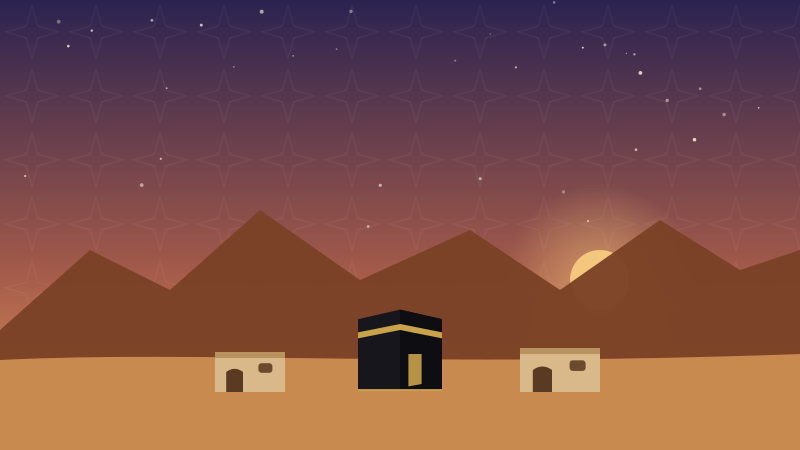
In this long report, his camel al-Qaswa’ kneels on the pass above Makkah. People say she is worn out. He says she is not; the One who held back the elephant has held her back. Then he says he will accept any proposal from Quraysh that honours what Allah made sacred.
From the first moment he was looking for peace. The report goes on: water was short, and the little pool at al-Hudaybiyah filled again after he placed an arrow in it.
Devine
How many pilgrims?
About how many companions set out with him for ’umrah in 6 AH?
Voir la réponse
1400 pilgrims About 1,400, the reports say (some say 1,500), in ihram and lightly armed as travellers.
Lire
In ihram
Ihram begins with the intention and the talbiyah at the miqat; the clothes come with it. A man wears two plain unstitched cloths and leaves his head uncovered. A woman wears her ordinary modest clothes, and nothing should touch her face.
In ihram you avoid perfume, cutting hair or nails, hunting and marital relations. They kept all of this for weeks on the road.
Go deeper: the miqat and the camels
Dhul Hulayfah, a few miles from Madinah, is the miqat for those coming from the city; it is known today as Abyar 'Ali. The sacrificial camels were marked with garlands so that every tribe on the road would know they were pilgrims, and leave them in peace.
Révéler
Common mistakes
Flip each card: what people often get wrong, and what is right.
- “Ihram is just the white clothes.” It is the intention and the talbiyah; the clothes come with it.
- “A woman in ihram covers her face.” Nothing should touch her face; she may keep something away from it when she needs to.
- “A blocked ‘umrah is simply cancelled.” The pilgrim leaves ihram by a sacrifice, and makes the ‘umrah up later.
Lire
When pilgrims are stopped
They were stopped at al-Hudaybiyah, on the edge of the sacred land. A pilgrim prevented from completing the journey is called muhsar.
He has a sacrifice slaughtered in the sacred area, then leaves ihram, and makes up the 'umrah later. The Muslims did exactly that, and came back the next year.
Touchez le bon endroit Find al-Hudaybiyah
Tap al-Hudaybiyah.
Voir la réponse
Just west of Makkah, on the edge of the sacred land, near the Jeddah road.
Choisir Check
Why did they drive sacrificial camels ahead of them?
Voir la réponse
Garlanded animals and ihram announced a peaceful ’umrah.
Vrai ou faux Check
The Muslims came to al-Hudaybiyah fully armed for war.
Voir la réponse
They came in ihram with only travellers’ swords.
Lire
For your life
If you plan an 'umrah, learn the rules of ihram before you leave home, and the rule for when plans fall through: a missed flight, an illness, a closed road. And if your plans are blocked, be at peace: the companions' blocked 'umrah became the start of their greatest victory.
Réfléchissez-y
A heart moment
They set out because of a dream and came home without reaching the House. Have you ever had a good plan that Allah delayed? What came of it in the end?
Vous seul pouvez le voir. C'est gardé sur cet appareil.
Révéler
The lesson in three lines
Sum up the lesson in your own words first, then tap to check.
- The lesson in one line In 6 AH he set out for 'umrah with about 1,400 companions, in ihram and with sacrificial camels. His camel knelt at al-Hudaybiyah, held back by Allah. From the first moment he looked for peace.
Leçon terminée
Setting out for ’umrah
Vous avez ajouté une étape du voyage à un voyage à travers l'Arabie.
Ce que vous avez appris
- They set out in ihram for ’umrah, and the camel that knelt was restrained by Allah.
- faits
- 0
- juste du premier coup
- 0
- à revoir
- 0
Votre action · Essayez aujourd'hui
When a plan is blocked today, pause before pushing: ask whether Allah is closing that door for good.
Ce que vous avez gardé
Connectez-vous pour garder votre progression sur tous vos appareils.