
0 guardado
Entra en la escena
Everybody forgets
Even the Prophet ﷺ once stood up after two rak'ahs without sitting. Forgetting is human, and Islam gives a simple repair: sajdah sahw, two prostrations of forgetfulness.
Del hadiz
Standing up by mistake
وَعَنِ الْمُغِيرَةِ بْنِ شُعْبَةَ قَالَ: قَالَ رَسُولُ اللَّهِ صَلَّى اللَّهُ عَلَيْهِ وَسَلَّمَ: «إِذَا قَامَ الْإِمَامُ فِي الرَّكْعَتَيْنِ فَإِنْ ذَكَرَ قَبْلَ أَنْ يَسْتَوِي قَائِما فليجلس وَإِنِ اسْتَوَى قَائِمًا فَلَا يَجْلِسْ وَلْيَسْجُدْ سَجْدَتَيِ السَّهْو» . رَوَاهُ أَبُو دَاوُدَ وَابْنُ مَاجَهْ
Al-Mughira b. Shu'ba reported God’s Messenger as saying, “When an imam stands up at the end of two rak'as, if he remembers before standing straight up he should sit down, but if he stands straight up he must not sit down, but perform the two prostrations of forgetfulness.” Abu Dawud and Ibn Majah transmitted it.
Lee
When sajdah sahw is due
Three situations: you forgot a wajib (the first sitting, al-Fatihah, the surah), you delayed a fard or wajib by about the time of three tasbihs, or you did one in the wrong order.
One sajdah sahw covers every such mistake in a prayer, however many. A missed sunnah needs none.
Go deeper: in big gatherings
The same rules apply in witr, sunnah and voluntary prayers. In a very large Jumu'ah or Eid congregation, scholars allow the imam to leave sajdah sahw, so that the rows are not confused.
Verdadero o falso Sahw for a sunnah?
If you forget to say the thanāʾ at the start of the prayer, you must make sajdah sahw.
Ver la respuesta
False. The thanāʾ is sunnah. Sajdah sahw is for a forgotten wajib, or a delay, not for a missed sunnah.
Lado a lado
Repair or repeat?
| What happened | What to do | |
|---|---|---|
| Speaking, even one word | Talking or answering someone during the prayer | The prayer is spoiled: pray it again |
| Turning or eating | Turning the chest from the qiblah, eating, drinking, or much needless movement | The prayer is spoiled: pray it again |
| A missed pillar | Leaving out a fard act such as a ruku or a sujood | Make it up within the prayer if you can, with sajdah sahw; otherwise pray again |
| A wajib left on purpose | Skipping al-Fatihah or the first sitting deliberately | Pray it again |
| A wajib forgotten | Forgetting al-Fatihah, the surah, the first sitting or the tashahhud | Sajdah sahw at the end |
| Order or delay by mistake | Doing a wajib out of order, or delaying it, without meaning to | Sajdah sahw at the end |
Ordena
How to make sajdah sahw
Ponlos en el orden correcto.
- In the final sitting, recite at-Tahiyyāt
- Give one salam, to the right only
- Make two prostrations, as in any rak'ah
- Sit and recite at-Tahiyyāt again
- Recite the ṣalawāt and a dua
- Finish with the salam to both sides
Ver la respuesta
Sajdah sahw comes after one salam to the right, then repeats the end of the prayer.
Lee
Not sure how many?
If you are unsure whether you prayed three rak'ahs or four, and this rarely happens to you, start the prayer again. If it happens often, go with what you think most likely.
If you cannot decide, take the lower number and carry on, sitting for the tashahhud after any rak'ah that might be the last, then make sajdah sahw.
Elige Three or four?
In 'Asr you cannot tell if you are in rak'ah three or four. It often happens to you, and neither feels more likely. What do you do?
Ver la respuesta
Take the lower number, sit after the rak‘ah that could be the last, complete the prayer, and repair it with sajdah sahw.
Lee
Behind an imam
If you are following an imam, his sajdah sahw is yours: make it with him. Your own forgotten wajib behind the imam needs nothing.
If you joined late, make the sajdah sahw with him, then stand to complete the rak'ahs you missed.
¿Qué harías?
Dhuhr gone wrong
In the second rak'ah of Dhuhr you forget to sit, and stand straight up for the third. Halfway through al-Fatihah you realise.
- Go back down and sitOnce you are fully standing, do not go back. Carry on.
- Carry on, and make sajdah sahw at the endCorrect. The first sitting is wajib; forgetting it is repaired by sajdah sahw.
Mira
Missed prayers
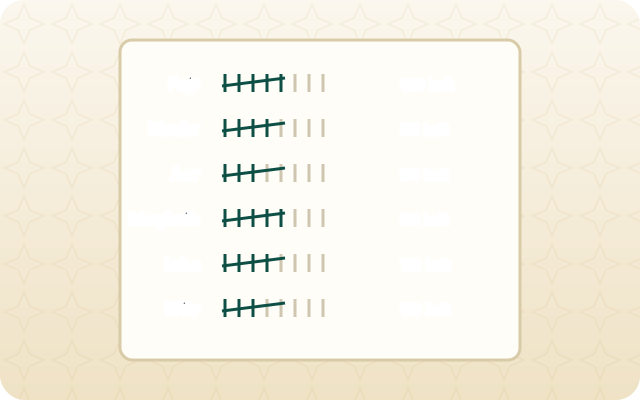
Prayers from before you became Muslim are not made up. Prayers you miss after becoming Muslim are made up (qada) as soon as you can, in their own rak'ahs: a missed Fajr is two rak'ahs, a missed Dhuhr four, and so on. Witr is made up too.
Lee
Making up many prayers
If you owe many prayers from after you became Muslim, count them as best you can, then pray one or more extra with each day's prayers. Intend the earliest one you owe each time, such as "the first Fajr I owe".
Witr is made up too; the sunnah prayers are not. Keep a tally, and thank Allah as the number falls.
Revelar
Common mistakes
Flip each card.
- Sajdah sahw for a missed sunnah Not needed.
- Sajdah sahw after both salams It comes after one salam to the right.
- Praying again for a forgotten wajib Sajdah sahw repairs it; no need to repeat the prayer.
Piénsalo
Pause and think
Which mistake do you make most often? Write the repair for it, so it is ready next time.
Solo tú puedes verlo. Se guarda en este dispositivo.
Elige Check your understanding
Someone calls your name during Asr and you answer, "Just a minute." What happens?
Ver la respuesta
Speaking spoils the prayer, even a few words. Start Asr again. To alert someone during prayer, a man may say subḥānallāh and a woman may clap lightly.
Revelar
In one line
Sum up the lesson in your own words first, then tap to check.
- The lesson in one line Forgotten wajibs and delays are repaired with two sujuds after one salam; missing fard or speaking means praying again; doubts that come often take the lower count.
Lección terminada
Mistakes and sajdah sahw
Has añadido un rayo de luz a un amanecer que se ilumina lección a lección.
Lo que aprendiste
- hechos
- 0
- bien a la primera
- 0
- para repasar
- 0
Tu obra · Pruébalo hoy
Read the steps of sajdah sahw once more, so that the next time you forget, you know just what to do.
Lo que guardaste
Inicia sesión para guardar tu progreso en todos tus dispositivos.