
0 محفوظ
ادخل المشهد
The school toilets
Five minutes to Dhuhr
A tap running, a queue of curious faces. Your friend asks why you are washing your feet in the sink.
اقرأ
Five minutes to Dhuhr
Lunch break. You want to pray. Your friend asks: "Why do you wash your feet in the sink? You had a shower this morning."
Good question. Wudu is not only about being clean. It is about getting ready to meet Allah.
Great question. Here is a clear, short answer.
ماذا كنت ستفعل؟
Real talk
Ever been asked why you wash your feet in the sink?
- Yes, it was awkward
- Yes, and I explained
- Not yet
- I make wudu at home first
من القرآن
The wudu verse
يَٰٓأَيُّهَا ٱلَّذِينَ ءَامَنُوٓا۟ إِذَا قُمْتُمْ إِلَى ٱلصَّلَوٰةِ فَٱغْسِلُوا۟ وُجُوهَكُمْ وَأَيْدِيَكُمْ إِلَى ٱلْمَرَافِقِ وَٱمْسَحُوا۟ بِرُءُوسِكُمْ وَأَرْجُلَكُمْ إِلَى ٱلْكَعْبَيْنِ ۚ وَإِن كُنتُمْ جُنُبًۭا فَٱطَّهَّرُوا۟ ۚ وَإِن كُنتُم مَّرْضَىٰٓ أَوْ عَلَىٰ سَفَرٍ أَوْ جَآءَ أَحَدٌۭ مِّنكُم مِّنَ ٱلْغَآئِطِ أَوْ لَٰمَسْتُمُ ٱلنِّسَآءَ فَلَمْ تَجِدُوا۟ مَآءًۭ فَتَيَمَّمُوا۟ صَعِيدًۭا طَيِّبًۭا فَٱمْسَحُوا۟ بِوُجُوهِكُمْ وَأَيْدِيكُم مِّنْهُ ۚ مَا يُرِيدُ ٱللَّهُ لِيَجْعَلَ عَلَيْكُم مِّنْ حَرَجٍۢ وَلَٰكِن يُرِيدُ لِيُطَهِّرَكُمْ وَلِيُتِمَّ نِعْمَتَهُۥ عَلَيْكُمْ لَعَلَّكُمْ تَشْكُرُونَ﴿6﴾
6 O ye who believe! When ye rise up for prayer, wash your faces, and your hands up to the elbows, and lightly rub your heads and (wash) your feet up to the ankles. And if ye are unclean, purify yourselves. And if ye are sick or on a journey, or one of you cometh from the closet, or ye have had contact with women, and ye find not water, then go to clean, high ground and rub your faces and your hands with some of it. Allah would not place a burden on you, but He would purify you and would perfect His grace upon you, that ye may give thanks.
كلمة كلمة
Word by word
- يَٰٓأَيُّهَا yāʾayyuhā which, whichever; in ya ayyuha: O (you)
- ٱلَّذِينَ alladhīna those who (masculine plural)
- ءَامَنُوٓا۟ āmanū to believe, to have faith · أمن
- إِذَا idhā when, whenever; (idhan) then, in that case
- قُمْتُمْ qumtum
- إِلَى ilā to, towards, until
- ٱلصَّلَوٰةِ aṣ-ṣalawāti prayer (the ritual prayer) · صلو
- فَٱغْسِلُوا۟ faghsilū
- وُجُوهَكُمْ wujūhakum face; (wajh Allah) the Face, the pleasure of Allah · وجه
- وَأَيْدِيَكُمْ waʾaydiyakum hand (plural aydi) · يدي
- إِلَى ilā to, towards, until
- ٱلْمَرَافِقِ al-marāfiqi
- وَٱمْسَحُوا۟ wamsaḥū
- بِرُءُوسِكُمْ biruʾūsikum
- وَأَرْجُلَكُمْ waʾarjulakum
- إِلَى ilā to, towards, until
- ٱلْكَعْبَيْنِ al-kaʿbayni
- وَإِن waʾin if; (in some verses) not
- كُنتُمْ kuntum to be, was; (kana yaf'al) used to do · كون
- جُنُبًۭا junuban
- فَٱطَّهَّرُوا۟ faṭṭahharū
- وَإِن waʾin if; (in some verses) not
- كُنتُم kuntum to be, was; (kana yaf'al) used to do · كون
- مَّرْضَىٰٓ marḍā
- أَوْ aw or
- عَلَىٰ ʿalā on, upon, over; against; (with a duty) incumbent on
- سَفَرٍ safarin
- أَوْ aw or
- جَآءَ jāʾa to come; (with bi) to bring · جيأ
- أَحَدٌۭ aḥadun one; anyone; (with a negative) no one · أحد
- مِّنكُم minkum from, of, out of, some of
- مِّنَ mina from, of, out of, some of
- ٱلْغَآئِطِ al-ghāʾiṭi
- أَوْ aw or
- لَٰمَسْتُمُ lāmastumu
- ٱلنِّسَآءَ an-nisāʾa women · نسو
- فَلَمْ falam did not (makes the following verb past and negative)
- تَجِدُوا۟ tajidū to find · وجد
- مَآءًۭ māʾan water · موه
- فَتَيَمَّمُوا۟ fatayammamū
- صَعِيدًۭا ṣaʿīdan
- طَيِّبًۭا ṭayyiban good, pure, wholesome · طيب
- فَٱمْسَحُوا۟ famsaḥū
- بِوُجُوهِكُمْ biwujūhikum face; (wajh Allah) the Face, the pleasure of Allah · وجه
- وَأَيْدِيكُم waʾaydīkum hand (plural aydi) · يدي
- مِّنْهُ minhu from, of, out of, some of
- مَا mā not (negation)
- يُرِيدُ yurīdu to want, to intend, to will · رود
- ٱللَّهُ allāhu Allah, God: the proper name of the One God
- لِيَجْعَلَ liyajʿala to make, to place, to appoint · جعل
- عَلَيْكُم ʿalaykum on, upon, over; against; (with a duty) incumbent on
- مِّنْ min from, of, out of, some of
- حَرَجٍۢ ḥarajin
- وَلَٰكِن walākin but, however
- يُرِيدُ yurīdu to want, to intend, to will · رود
- لِيُطَهِّرَكُمْ liyuṭahhirakum
- وَلِيُتِمَّ waliyutimma
- نِعْمَتَهُۥ niʿmatahū blessing, favour · نعم
- عَلَيْكُمْ ʿalaykum on, upon, over; against; (with a duty) incumbent on
- لَعَلَّكُمْ laʿallakum so that perhaps, that you may
- تَشْكُرُونَ tashkurūna to give thanks, to be grateful · شكر
O ye who believe! When ye rise up for prayer, wash your faces, and your hands up to the elbows, and lightly rub your heads and (wash) your feet up to the ankles. And if ye are unclean, purify yourselves. And if ye are sick or on a journey, or one of you cometh from the closet, or ye have had contact with women, and ye find not water, then go to clean, high ground and rub your faces and your hands with some of it. Allah would not place a burden on you, but He would purify you and would perfect His grace upon you, that ye may give thanks.
اقرأ
Four musts (fard)
This verse names the parts of wudu. There are four fard (must-dos). Miss one and there is no wudu:
- Wash the face, hairline to chin, ear to ear.
- Wash both arms, including the elbows.
- Wipe at least a quarter of the head.
- Wash both feet, including the ankles.
اقرأ
When you need wudu
You need wudu to pray, to touch the mushaf and for tawaf around the Ka'bah.
One wudu lasts until something breaks it. So if you keep it from Dhuhr, you can pray Asr with the same wudu. It is also Sunnah to stay in wudu as often as you can, and to make it before sleeping.
Go deeper: the four fard in practice
Face: from the hairline to under the chin, ear to ear. Arms: fingertips up to and including the elbows. Head: wipe at least a quarter of it. Feet: up to and including the ankles. Miss even a dry spot the size of a fingernail on a fard part and the wudu is not complete.
اختر Which is a fard of wudu?
Which picture shows one of the four fard of wudu?


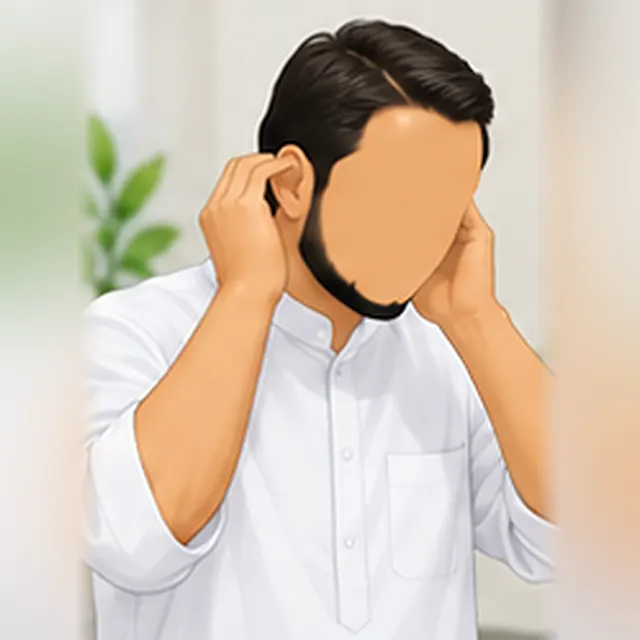

أظهر الإجابة
Washing the face is fard. Rinsing the mouth, wiping the ears and washing the hands at the start are sunnah: rewarded, but wudu still counts without them.
من الحديث
Sins wash away
وعن عثمان بن عفان رضي الله عنه قال: قال رسول الله صلى الله عليه وسلم: "من توضأ فأحسن الوضوء، خرجت خطاياه من جسده حتى تخرج من تحت أظفاره" ((رواه مسلم)).
'Uthman bin 'Affan (May Allah be pleased with him) reported: The Messenger of Allah (ﷺ) said, "He who performs the Wudu' perfectly (i.e., according to Sunnah), his sins will depart from his body, even from under his nails."
اقرأ
A reset button
This hadith teaches that whoever makes wudu well, their sins leave their body, even from under the nails.
Every wudu is a little reset, five times a day.
So every wudu is a fresh start, five or more times a day. Picture the day's little wrongs going down the drain with the water.
صِل
Fard or sunnah?
صِل كل واحد بما يناسبه.
- Washing the face Fard
- Rinsing the mouth Sunnah
- Wiping a quarter of the head Fard
- Washing the hands first Sunnah
أظهر الإجابة
Four fard. Everything else in wudu is sunnah or good manners, and still rewarded.
اكشف
Common mistakes
Think of the right answer first, then flip each card.
- "I had a shower, so I have wudu." A shower does not give wudu unless every fard part was washed. Usually it does. Ghusl, done properly, includes wudu.
- "I need a new wudu for every prayer." One wudu lasts until something breaks it. A fresh one is extra reward, not a must.
- "Wudu needs a special place." Any clean tap works: the school toilets, a bottle in the park, a sink at work.
اقرأ
How much water?
Less than you think. The Prophet ﷺ made wudu with about a mudd, roughly a large mug of water.
So don't leave the tap blasting while you chat. Turn it on for each part, off in between. You still wash every part fully; you just don't waste. It's a small habit that shows big respect for Allah's gifts.
اختر Girls' pictures too
Which picture shows a fard of wudu?
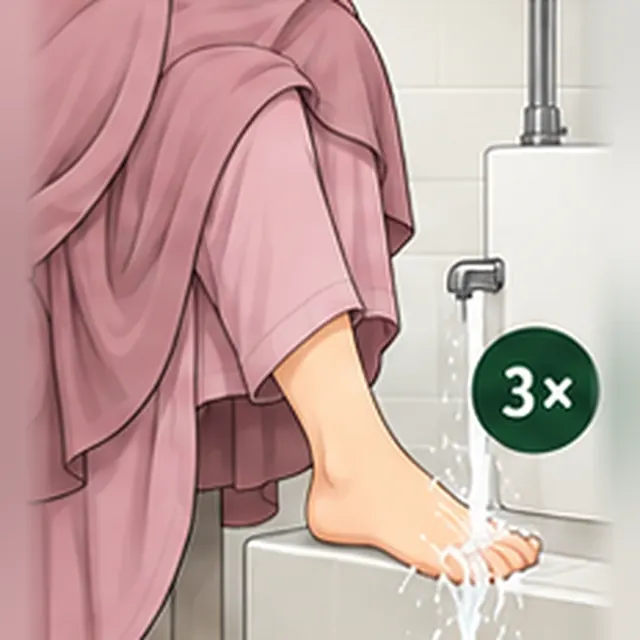
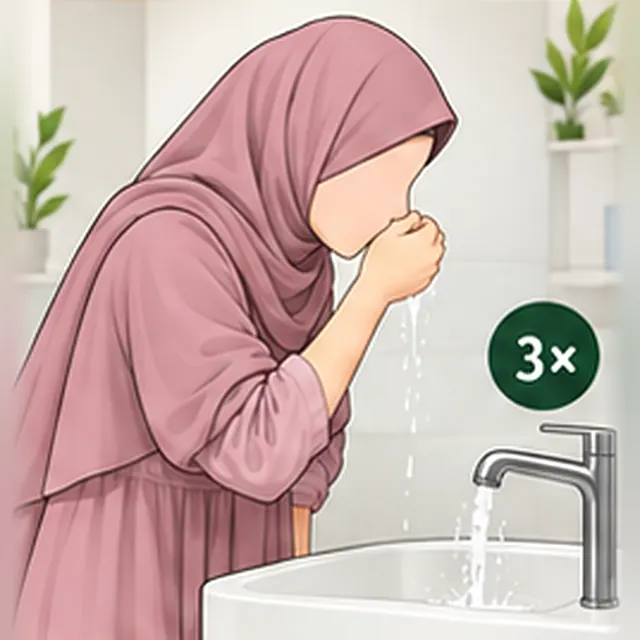
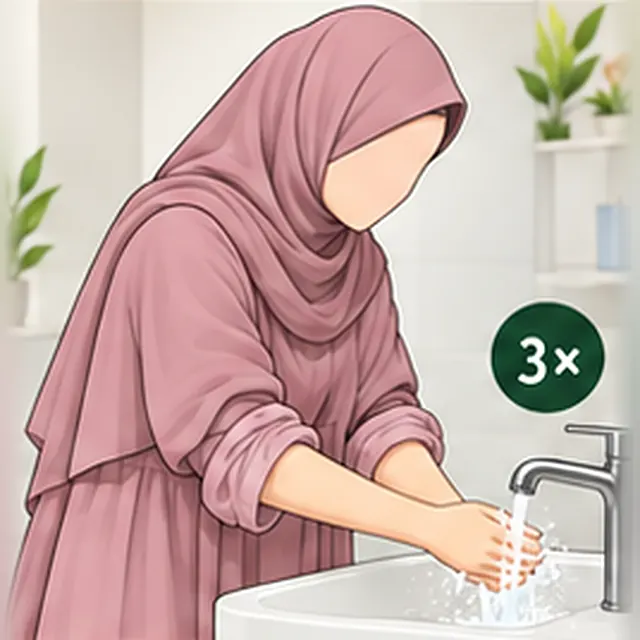

أظهر الإجابة
Washing the feet including the ankles is fard. The others are sunnah.
+20 XP
Why wudu?
أضفت XP إلى نقاط XP وسلاسل أيام ومستويات.
ما تعلّمته
- Wudu has four fard and washes sins away with the water.
- منجزة
- 0
- صحيح من أول مرة
- 0
- للمراجعة
- 0
عملك · جرّبه اليوم
At your next wudu, name the four fard in your head as you do them.
ما حفظته
سجّل الدخول لتحفظ تقدّمك على كل أجهزتك.