
0 محفوظ
ادخل المشهد
The road to Makkah, long ago
Dust on the horizon
Dust rises on the horizon: an army is coming to destroy the Kaʿbah. Makkah’s story is told in four short surahs.
انظر
An army with an elephant
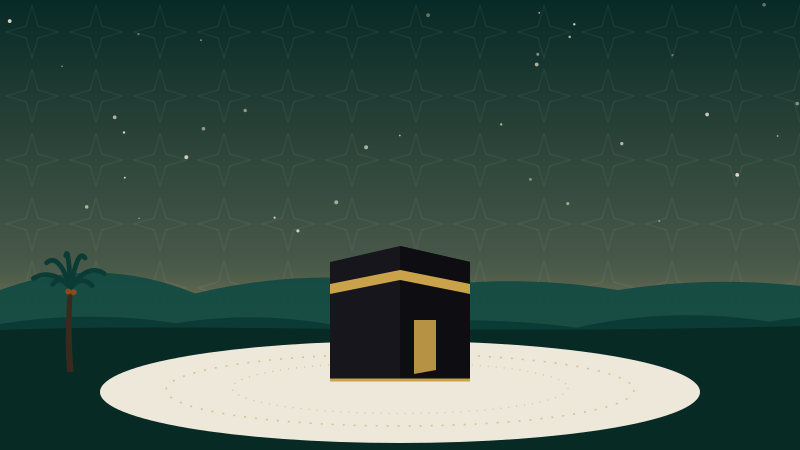
In the year the Prophet ﷺ was born, as most historians say, an army came from Yemen to destroy the Kaʿbah. It brought an elephant. It never reached the House.
Al-Fil tells that story in five verses. The people of Makkah all knew it; old men had seen it.
من القرآن
Al-Fil
بِسْمِ ٱللَّهِ ٱلرَّحْمَٰنِ ٱلرَّحِيمِ أَلَمْ تَرَ كَيْفَ فَعَلَ رَبُّكَ بِأَصْحَٰبِ ٱلْفِيلِ﴿1﴾ أَلَمْ يَجْعَلْ كَيْدَهُمْ فِى تَضْلِيلٍۢ﴿2﴾ وَأَرْسَلَ عَلَيْهِمْ طَيْرًا أَبَابِيلَ﴿3﴾ تَرْمِيهِم بِحِجَارَةٍۢ مِّن سِجِّيلٍۢ﴿4﴾ فَجَعَلَهُمْ كَعَصْفٍۢ مَّأْكُولٍۭ﴿5﴾
1 Hast thou not seen how thy Lord dealt with the owners of the Elephant?
2 Did He not bring their stratagem to naught,
3 And send against them swarms of flying creatures,
4 Which pelted them with stones of baked clay,
5 And made them like green crops devoured (by cattle)?
انظر
Two journeys and one House
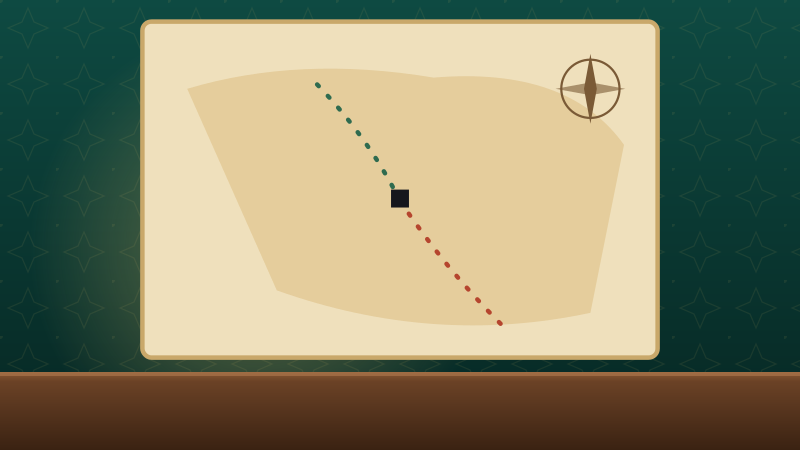
Quraysh lived from trade: a winter caravan south to Yemen and a summer caravan north to Sham. They were safe on the roads because they guarded the Kaʿbah.
The surah calls them to thank the One behind that safety and food in the only fitting way: by worshipping Him.
الطريق
The two journeys of Quraysh
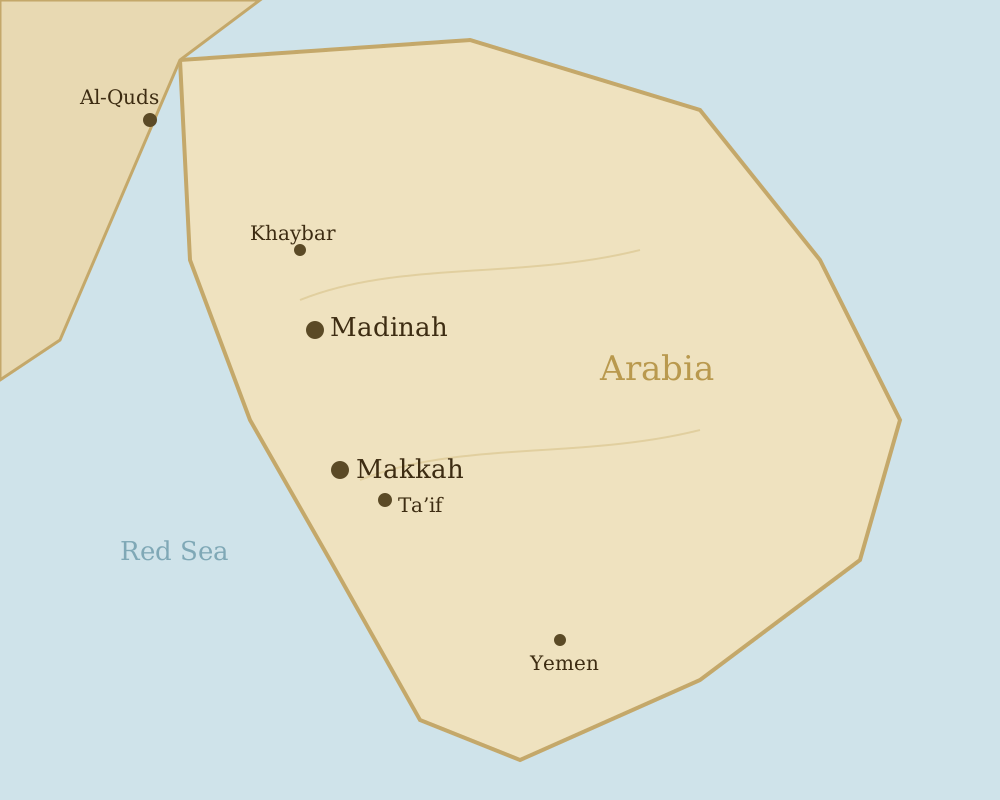
- Makkah The Kaʿbah, and the people of Quraysh who guarded it.
- Yemen The winter journey, south.
- Sham The summer journey, north, to the lands of al-Quds.
Safe roads, food and the House: blessings that called for worship.
انظر
Al-Maʿun: worship that shows

Al-Maʿun links denying the Judgement with neglecting the weak. It warns about prayer that is careless or done for show, by people who will not even lend a small hand.
It joins prayer and kindness together. A prayer that leaves a person unkind is missing something.
انظر
Al-Kawthar: abundance

When the Prophet’s ﷺ sons died in infancy, his enemies mocked him as “cut off”. Al-Kawthar turned the insult around: the Prophet ﷺ had been given abundant good, and the loss belonged to those who mocked.
The Prophet ﷺ explained al-Kawthar as a river in Jannah, and the scholars add all the good he was given.
ماذا كنت ستفعل؟
What would you do?
Your neighbour’s son lost his father. At the masjid you see him standing at the back, alone, after Jumuʿah.
- Leave quickly; you have workAl-Maʿun describes pushing the orphan away. Small neglect counts too.
- Go over, greet him and ask him to sit with youThis is the kindness al-Maʿun joins to prayer.
اكشف
Myth or fact?
Flip each card.
- Al-Maʿun is only about prayer. Myth. It joins worship to caring for the orphan and the needy, and warns against prayer done for show.
- Quraysh’s two caravans went south to Yemen in winter and north to Sham in summer. Fact. Their safety and trade came from the House’s Lord.
- Al-Kawthar answered those who mocked the Prophet ﷺ as “cut off”. Fact. It promised him abundance, and his name is honoured to this day.
بطاقات
Four surahs
اقرأ
Praying with them
These four are short enough for any rak'ah. Pair them in their mushaf order: al-Fil then Quraysh, or al-Ma'un then al-Kawthar.
Takeaway: al-Ma'un warns against prayer without care for orphans and neighbours; let your prayer show in a small kindness today.
اكشف
Common mistakes
Think of the right answer first, then flip each card.
- "Al-Fil is only history." It shows Allah protects His House.
- "Al-Ma'un is about money only." It joins careless prayer with careless neighbourliness.
- "Al-Kawthar is a river story." It is a gift and a command: pray and sacrifice.
انتهى الدرس
Makkah’s story in four surahs
أضفت صفحة إلى مصحف تُقلَّب صفحاته.
ما تعلّمته
- Al-Fil: Allah protects His House.
- Quraysh: thank the Lord who feeds and secures you.
- Al-Ma'un and al-Kawthar: worship that shows.
- منجزة
- 0
- صحيح من أول مرة
- 0
- للمراجعة
- 0
عملك · جرّبه اليوم
Do one kindness this week for an orphan or a family in need.
ما حفظته
سجّل الدخول لتحفظ تقدّمك على كل أجهزتك.