Art Across the Muslim World · مبتدئ · الدرس 2/3 Africa and al-Andalus

ادخل المشهد

Djenné, Mali

Djenné on plastering day

Before the rains the whole town gathers at the great mud-brick masjid. Children carry water, adults climb the walls and spread fresh earth.

انظر

Building with earth

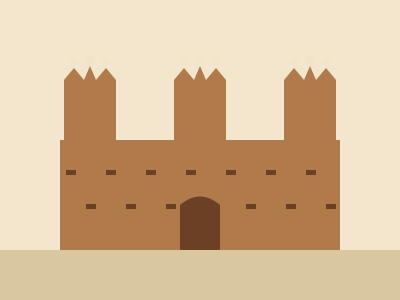
A mud-brick masjid in the style of Djenné in Mali

The Great Mosque of Djenné in Mali is built of sun-dried mud brick. Wooden beams stick out of the walls as permanent scaffolding. Each year the town re-plasters it together.

انظر

Square towers of the West

A North African masjid with a square minaret

Across North Africa and al-Andalus, masjids have square minarets and horseshoe arches. Walls glow with zellij and carved plaster.

صنّف

Sort them

Africa or al-Andalus?

West Africa

  • A mud-brick masjid in the style of Djenné in Mali
  • Manuscript libraries of Timbuktu

Al-Andalus and the Maghrib

  • A North African masjid with a square minaret
  • The gardens of the Alhambra
  • One bay of the Great Mosque of Cordoba: a horseshoe arch and a round arch, striped red and white, on slender columns

من الحديث

Like one body

وعن النعمان بن بشير رضي الله عنهما قال: قال رسول الله صلى الله عليه وسلم " مثل المؤمنين في توادهم وتراحمهم وتعاطفهم، مثل الجسد إذا اشتكى منه عضو تداعى له سائر الجسد بالسهر والحمى” ((متفق عليه)) .

Nu'man bin Bashir (May Allah be pleased with them) reported: Messenger of Allah (ﷺ) said, "The believers in their mutual kindness, compassion and sympathy are just like one body. When one of the limbs suffers, the whole body responds to it with wakefulness and fever"..

Agreed upon (al-Bukhari and Muslim) (متفق عليه) · Sahih

انظر

A town as one body

A mud-brick masjid in the style of Djenné in Mali

This stored hadith compares the believers to one body. Djenné's plastering day shows it in action: the whole town caring for one house of Allah.

اختر Check

Why do wooden beams stick out of the walls at Djenné?

  • They are permanent scaffolding for re-plastering
  • For birds to sit on
  • To hold flags
أظهر الإجابة

They are permanent scaffolding for re-plastering, because the building is cared for every year.

اقرأ

Fes and Timbuktu

The green-tiled roofs and square minaret of al-Qarawiyyin in Fez

In Fes, craftsmen still cut zellij, carve cedar wood and plaster, and families pass the crafts down through generations, around the old university of al-Qarawiyyin.

In Timbuktu, masjids of earth stand beside family libraries of manuscripts bound in leather, on law, astronomy and poetry.

Go deeper: saving the manuscripts

In 2012 and 2013, when armed groups held Timbuktu, librarians and families smuggled hundreds of thousands of manuscripts south to Bamako in boxes and sacks to keep them safe.

فكّر في الأمر

Reflect

What could your community do together, every year, to care for your masjid?

لا يراه أحد غيرك، ويُحفظ على هذا الجهاز.

اكشف

Common mistakes

Flip each card: what people often get wrong, and what is right.

  • “African Muslims had no written arts.” Timbuktu’s manuscripts prove the opposite.
  • “Mud buildings cannot last.” Djenné lasts because its town cares for it every year.
  • “The art of al-Andalus vanished in 1492.” It lives on in Morocco and in Spain’s buildings.

اقرأ

For your life

A mud-brick masjid in the style of Djenné in Mali

Offer an hour this month to help care for your masjid, as Djenné does every year: cleaning, painting, mending, gardening. Bring a friend or your children.

اكشف

The lesson in three lines

Sum up the lesson in your own words first, then tap to check.

  • The lesson in one line Africa built great masjids of earth, like Djenné, cared for together every year, and kept libraries in Timbuktu. Al-Andalus and North Africa gave square minarets, horseshoe arches, zellij and carved plaster.

انتهى الدرس

Africa and al-Andalus

أضفت قرنًا إلى خريطة تتغيّر حدودها.

ما تعلّمته

  • Africa built with earth; al-Andalus with tile and arch; both with care.

عملك · جرّبه اليوم

Offer an hour this month to help clean or repair your local masjid.

سجّل الدخول لتحفظ تقدّمك على كل أجهزتك.